A country in mourning, a community in need

When Ritam Bhattarai first saw news of the devastating floods in Nepal, she was thousands of kilometres from her Auckland home, working in a refugee camp in Cox’s Bazar in Bangladesh.
The World Vision New Zealand humanitarian worker was in Bangladesh for a field visit, but as images of the destruction in her homeland began appearing on social media, her attention immediately shifted to Nepal.
What began as concern for her country soon became deeply personal. Amid the growing reports from Nepal was news of a missing New Zealander, Dejan Kuzmic, a friend of Ritam’s who was on a long-awaited pilgrimage.
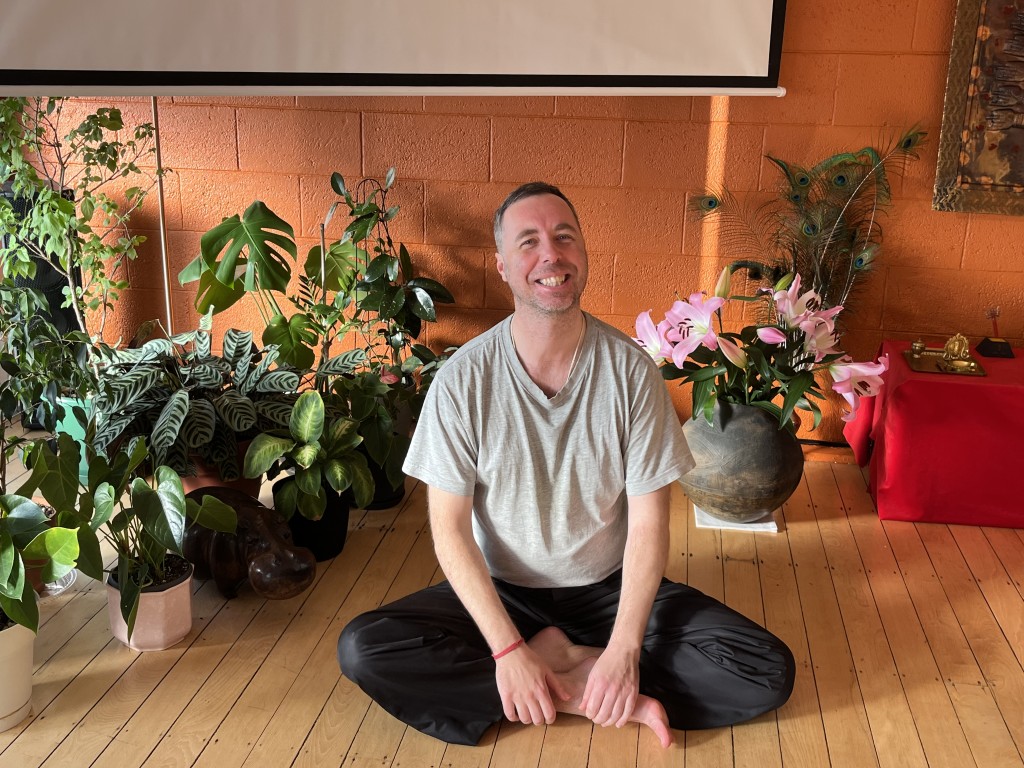
During his travels, Dejan had even spent time with Ritam’s father, a retired tour guide who had spent many years showing visitors around Nepal. He met Dejan in Kathmandu and took him to key spiritual sites Dejan was interested in visiting.
Ritam and Dejan became friends through Auckland’s tight-knit Isha Yoga community, and only days before the disaster struck Dejan had been posting WhatsApp updates on his travels throughout Nepal.
“Earlier that week he was messaging our yoga group chat, sharing the different places he’d visited,” Ritam recalls with a smile. “It was like we were there with him on his journey.”
Then suddenly the messages stopped. As reports emerged of a tour group caught in the massive floods, Ritam’s hope slowly gave way to heartbreak.
“You just can’t believe it. You don’t want to believe it,” says Ritam. “You’re holding on to hope for good news.”
But after three or four days, that hope began to fade. The organisers of the pilgrimage contacted the families of those missing to tell them it was highly unlikely there would be any survivors. For Ritam, the loss was especially painful because she knows how much the journey meant to her friend.
“He was a very serious meditator, so being able to make this journey was one of the highlights of his life.”
Once Ritam returned to Auckland from Bangladesh, she helped to organise an emotional memorial service for Dejan through her yoga centre.
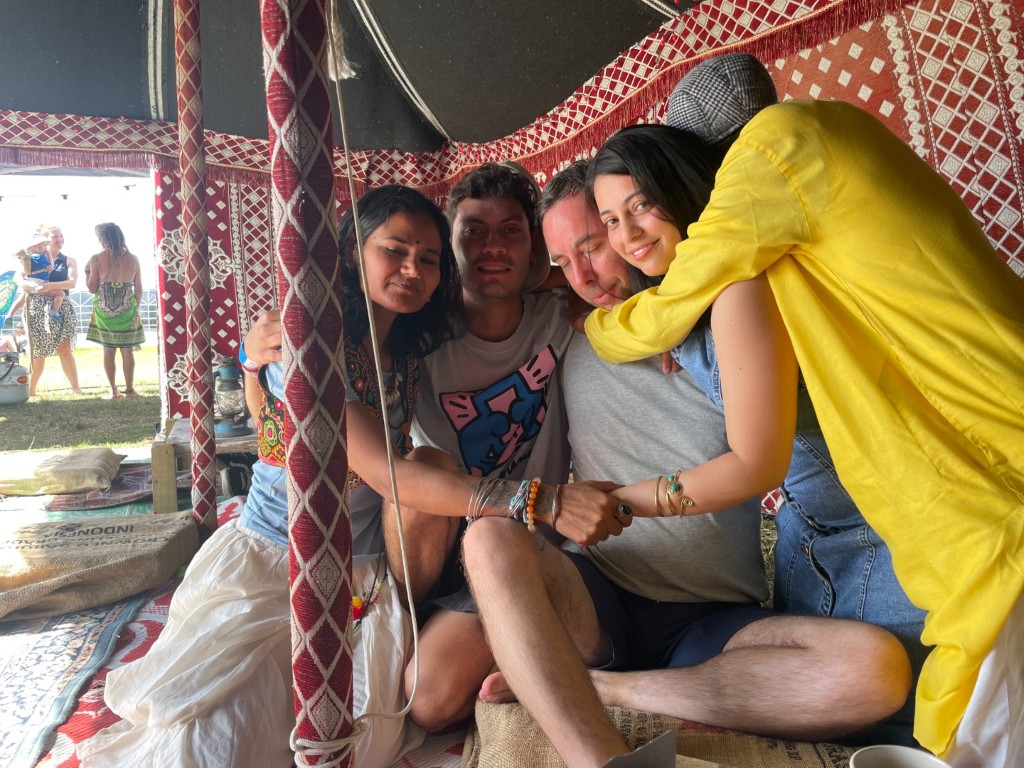
While Ritam’s own family in Kathmandu were not affected by the flash floods, she knows far too well how easily her own family could have been affected. Her father regularly visited the flood-hit region while working as a tour guide, and Ritam herself is familiar with the area.
“It is a narrow valley with high mountains on either side and a river running through it. There would have been very little opportunity to escape,” she says solemnly.
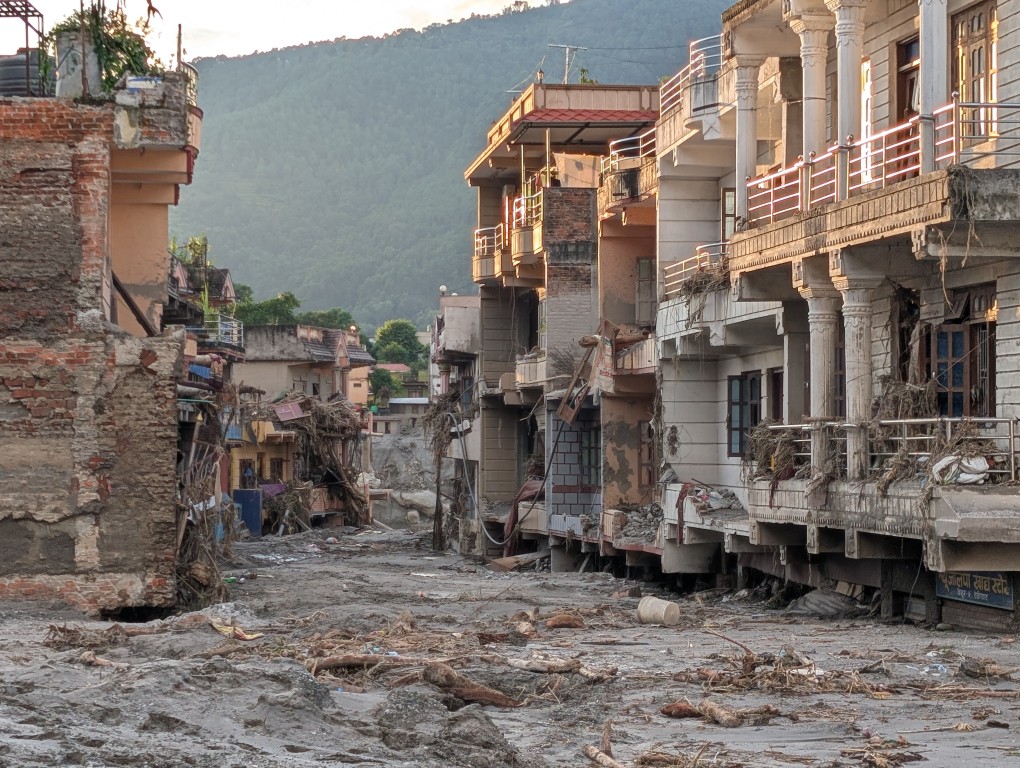
The disaster has destroyed homes, roads, bridges, and critical infrastructure, leaving communities facing months of recovery.
Across Nepal and around the world, families are grieving the loss of loved ones while the search continues for the thousands who remain missing.
“The mood of the country is very low,” says Ritam. “In a month’s time we celebrate Dashain, one of Nepal’s biggest festivals. It is normally a time of joy and celebration, but the country is in a state of mourning.”
Winter is also approaching, adding urgency to the situation. October to February are the coldest months in Nepal, and families who have lost their homes in the floods risk facing the winter exposed to the elements.
Ritam says: “Children are particularly vulnerable. Many schools have been damaged or destroyed by the floods, leaving many without a safe place to learn and recover.
“And families are in urgent need of emergency shelter, food, clean water and protection from the harsh winter ahead and will need ongoing support to rebuild their homes and livelihoods.”
For Ritam, the tragedy is yet another devastating blow for a country that has faced crisis after crisis. Over the past decade, Nepal has endured a massive earthquake, economic disruption, the impacts of the COVID-19 pandemic and now the destructive flash floods.
“Unfortunately, Nepal is not new to disasters,” she says. “And with climate change, things are only going to get worse.”
Despite contributing very little to global carbon emissions, Nepal remains highly vulnerable to the impacts of a changing climate.
“Many people come to Nepal for the mountains,” says Ritam. “But for the Nepalese, the mountains are much more than a tourist destination. They hold deep cultural and spiritual significance, which is why they need protecting.”
Yet amid the grief, Ritam remains hopeful. She has been encouraged by the response from aid agencies, governments and people around the world who have stepped forward to help.
Her message to New Zealanders is simple. Nepal cannot face this challenge alone.
“The Nepalese people are very resilient and are incredibly grateful for the support that has already been provided by generous New Zealanders, but they need continued support so they can rebuild for the future.”
As Nepal begins the long road to recovery, the focus now turns to helping children and families rebuild their lives, homes, and communities.
To help children and families affected by the devastating flooding in Nepal with food, emergency shelter, and other urgent essentials, visit www.worldvision.org.nz/Nepal-floods
The World Vision New Zealand humanitarian worker was in Bangladesh for a field visit, but as images of the destruction in her homeland began appearing on social media, her attention immediately shifted to Nepal.
What began as concern for her country soon became deeply personal. Amid the growing reports from Nepal was news of a missing New Zealander, Dejan Kuzmic, a friend of Ritam’s who was on a long-awaited pilgrimage.
During his travels, Dejan had even spent time with Ritam’s father, a retired tour guide who had spent many years showing visitors around Nepal. He met Dejan in Kathmandu and took him to key spiritual sites Dejan was interested in visiting.
Ritam and Dejan became friends through Auckland’s tight-knit Isha Yoga community, and only days before the disaster struck Dejan had been posting WhatsApp updates on his travels throughout Nepal.
“Earlier that week he was messaging our yoga group chat, sharing the different places he’d visited,” Ritam recalls with a smile. “It was like we were there with him on his journey.”
Then suddenly the messages stopped. As reports emerged of a tour group caught in the massive floods, Ritam’s hope slowly gave way to heartbreak.
“You just can’t believe it. You don’t want to believe it,” says Ritam. “You’re holding on to hope for good news.”
But after three or four days, that hope began to fade. The organisers of the pilgrimage contacted the families of those missing to tell them it was highly unlikely there would be any survivors. For Ritam, the loss was especially painful because she knows how much the journey meant to her friend.
“He was a very serious meditator, so being able to make this journey was one of the highlights of his life.”
Once Ritam returned to Auckland from Bangladesh, she helped to organise an emotional memorial service for Dejan through her yoga centre.
While Ritam’s own family in Kathmandu were not affected by the flash floods, she knows far too well how easily her own family could have been affected. Her father regularly visited the flood-hit region while working as a tour guide, and Ritam herself is familiar with the area.
“It is a narrow valley with high mountains on either side and a river running through it. There would have been very little opportunity to escape,” she says solemnly.
The disaster has destroyed homes, roads, bridges, and critical infrastructure, leaving communities facing months of recovery.
Across Nepal and around the world, families are grieving the loss of loved ones while the search continues for the thousands who remain missing.
“The mood of the country is very low,” says Ritam. “In a month’s time we celebrate Dashain, one of Nepal’s biggest festivals. It is normally a time of joy and celebration, but the country is in a state of mourning.”
Winter is also approaching, adding urgency to the situation. October to February are the coldest months in Nepal, and families who have lost their homes in the floods risk facing the winter exposed to the elements.
Ritam says: “Children are particularly vulnerable. Many schools have been damaged or destroyed by the floods, leaving many without a safe place to learn and recover.
“And families are in urgent need of emergency shelter, food, clean water and protection from the harsh winter ahead and will need ongoing support to rebuild their homes and livelihoods.”
For Ritam, the tragedy is yet another devastating blow for a country that has faced crisis after crisis. Over the past decade, Nepal has endured a massive earthquake, economic disruption, the impacts of the COVID-19 pandemic and now the destructive flash floods.
“Unfortunately, Nepal is not new to disasters,” she says. “And with climate change, things are only going to get worse.”
Despite contributing very little to global carbon emissions, Nepal remains highly vulnerable to the impacts of a changing climate.
“Many people come to Nepal for the mountains,” says Ritam. “But for the Nepalese, the mountains are much more than a tourist destination. They hold deep cultural and spiritual significance, which is why they need protecting.”
Yet amid the grief, Ritam remains hopeful. She has been encouraged by the response from aid agencies, governments and people around the world who have stepped forward to help.
Her message to New Zealanders is simple. Nepal cannot face this challenge alone.
“The Nepalese people are very resilient and are incredibly grateful for the support that has already been provided by generous New Zealanders, but they need continued support so they can rebuild for the future.”
As Nepal begins the long road to recovery, the focus now turns to helping children and families rebuild their lives, homes, and communities.
To help children and families affected by the devastating flooding in Nepal with food, emergency shelter, and other urgent essentials, visit www.worldvision.org.nz/Nepal-floods