
Pacific families deserve the choice to stay safely or move with dignity
Cyclones, floods and rising seas are uprooting Pacific families. Most want to remain on their ancestral lands — connected to the places, languages and communities that hold their identity.
The priority must be helping families stay safely where they belong. But when disaster forces movement, they need safe pathways that keep them together.

We're advocating for fair climate finance to help families stay safely
Fairer climate finance can help Pacific communities adapt, rebuild and stay on their land.
With a new global goal of US$300 billion by 2035, our report with Oxfam Aotearoa urges New Zealand to commit its fair share to supporting countries on the front lines of climate change.
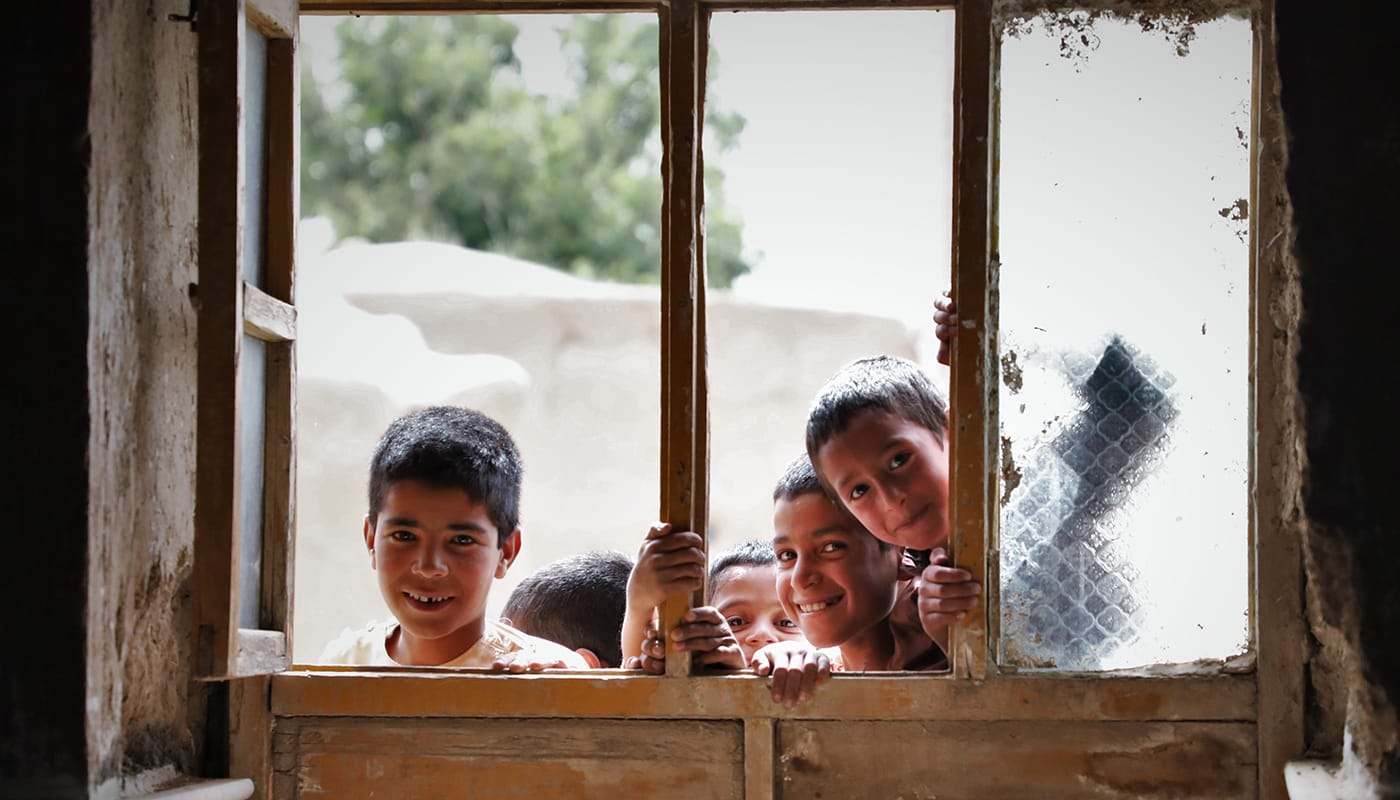
Afghanistan evacuation and resettlement report
This research highlights the challenges faced by Afghan nationals who resettled in Aotearoa New Zealand in 2021 following the fall of Kabul.
Commissioned by World Vision, Amnesty International and Action Station, it urges the Government to provide equal support to all who resettle for humanitarian reasons, and to resource an effective crisis evacuation and resettlement model for future emergencies.
"I could see the fear, the fear of not knowing where to go, where to get support, and also not being able to express themselves because of the language barrier."
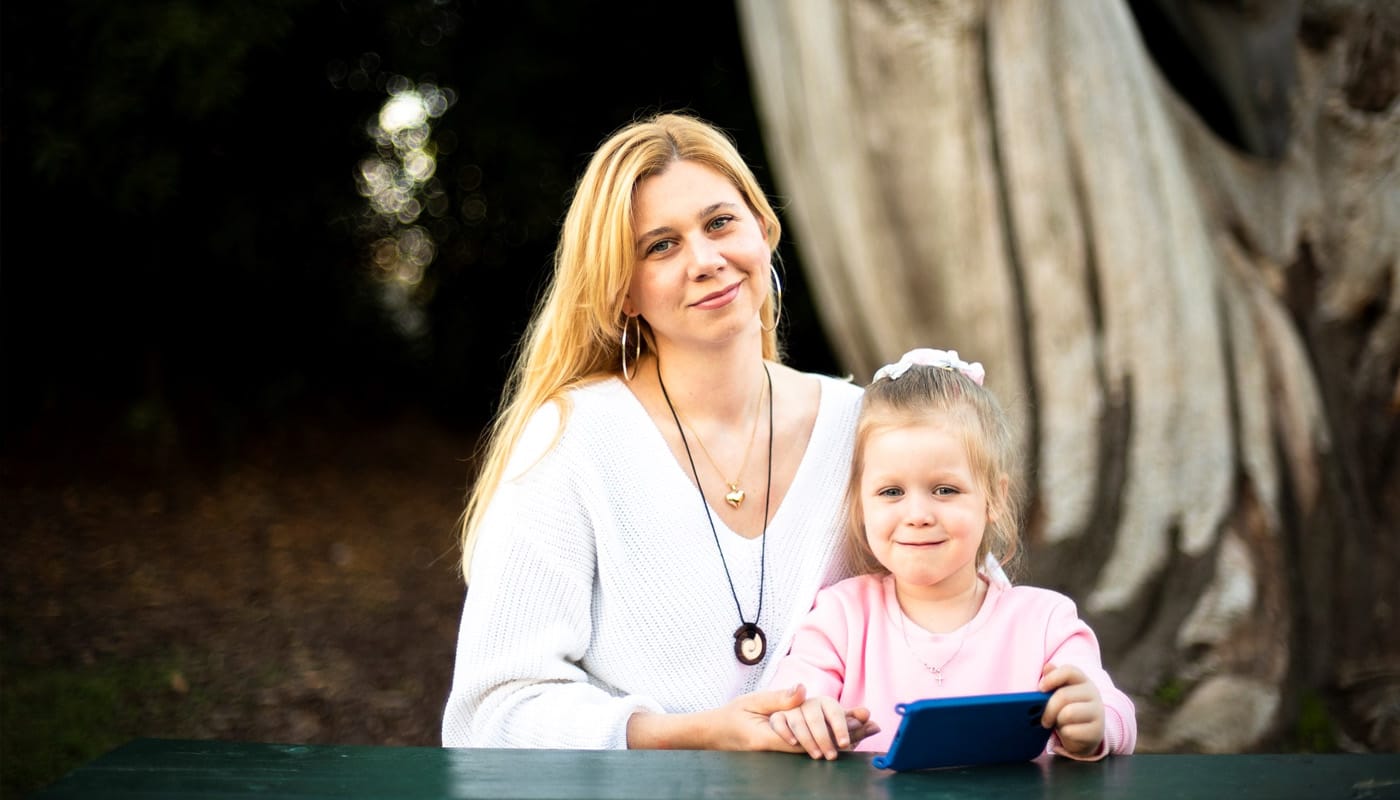
Special Ukraine policy survey
In March 2022, the Government announced the Special Ukraine Policy, allowing 4,000 Ukrainians to enter New Zealand — yet we were alerted by the fact that very few people were arriving.
World Vision with Mahi for Ukraine surveyed nearly 200 Ukrainians to understand barriers to the visa, and produced a report with key policy recommendations for the Government.
In 2023, the Government agreed to several of the policy changes, allowing more Ukrainians to seek safety in New Zealand.
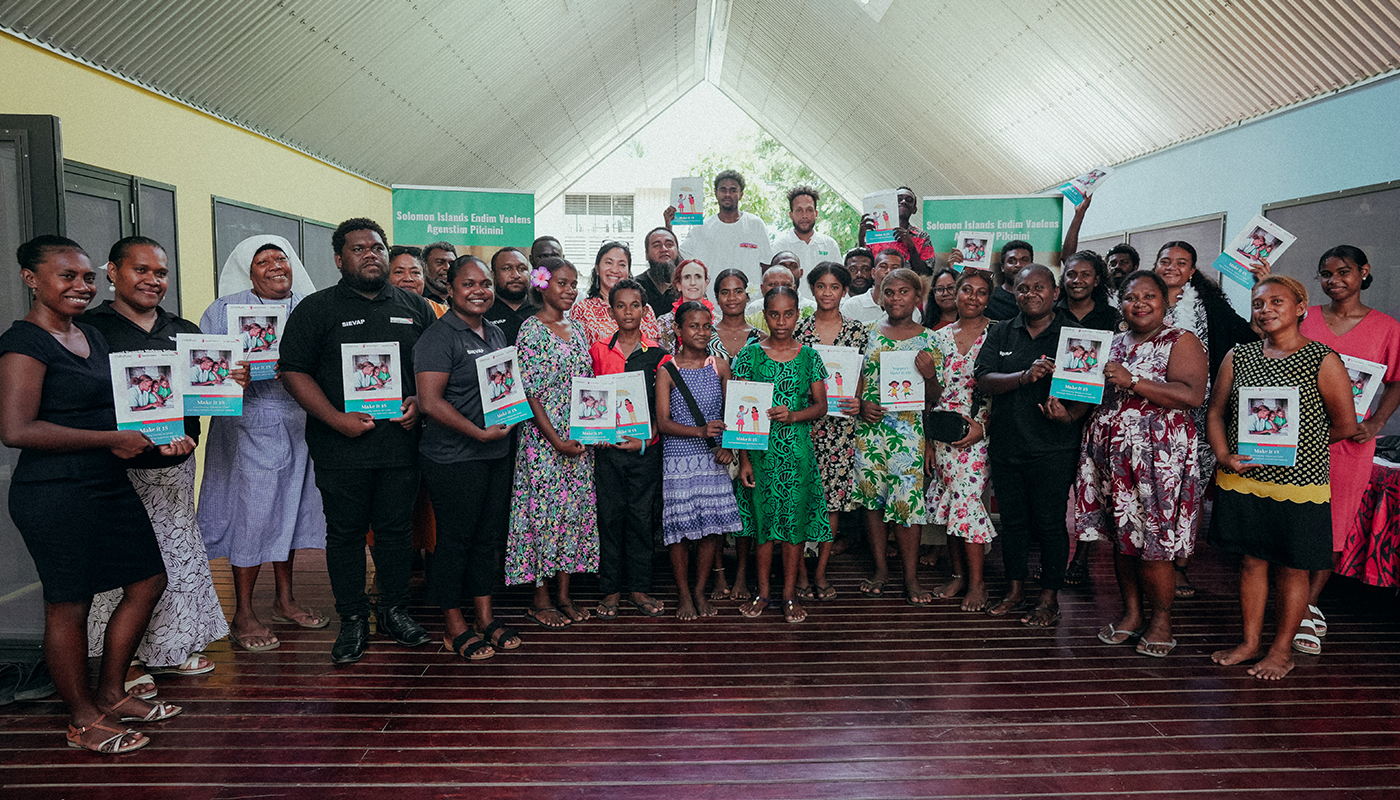
All children in Solomon Islands have the right to be protected against child marriage. Currently 21% of girls and 4% of boys are married before the age of 18 in Solomon Islands with 6% of girls married before the age of 15.
Through our Make it 18 Campaign, we’re calling on the Solomon Islands Government to raise the legal marriage from 15 to 18, ensuring every child is protected from child marriage.
Children, youth, parents, and leaders have voiced overwhelming support for legal reforms to prevent child marriage. Our latest report captures their voices and outlines actionable recommendations to the Government of Solomon Islands that we hope will lead to law change.
Read the report now