One woman, two worlds: from Te Aroha to the heart of Tanzania

From a small-town Waikato upbringing to a village in Tanzania, Lily Hohepa is living the dream she once thought was impossible.
Lily Hohepa grew up in, a small Waikato town, 20 minutes from Te Aroha, where life was simple, rural, and close-knit and the world beyond that felt distant.
A self-described “farmer at heart,” her childhood was filled with feeding calves, riding quad bikes, and herding cows in gumboots.
“I’d only ever been in one elevator growing up, the one at my local church,” Lily says. “The size of the town I grew up in really shaped what I thought was possible. My world felt very small.”
But even as a young girl sitting in her family home, something bigger was quietly taking root.
Her mum, a youth pastor, would play videos of missionary work in Africa. Lily remembers watching, captivated.
“I used to think, ‘That’s exactly what I want to do one day.’ But it didn’t feel real. It was just a dream without an echo.”
Now, at 20, that dream has become a reality and taken her thousands of kilometres from rural New Zealand to communities in Tanzania, not as a visitor, but as someone deeply committed to improving the lives of the people she meets.
Driven by compassion, curiosity, and a strong sense of purpose, Lily travelled to Tanzania last month on her own, partnering with local organisations, teaching in schools, supporting orphanages, and helping to lead women’s empowerment programmes.
“I’ve always been drawn to Africa,” she says. “There’s such real need, but also so much opportunity, and such strong community.”
In Arusha in Northeast Tanzania, she taught English to young children through songs, stories, and games, helped prepare meals, and even cared for them outside of school hours so their parents could work.
She also worked alongside local women running empowerment initiatives, supporting training in literacy, childcare, and practical skills like tailoring, cooking, and small business.
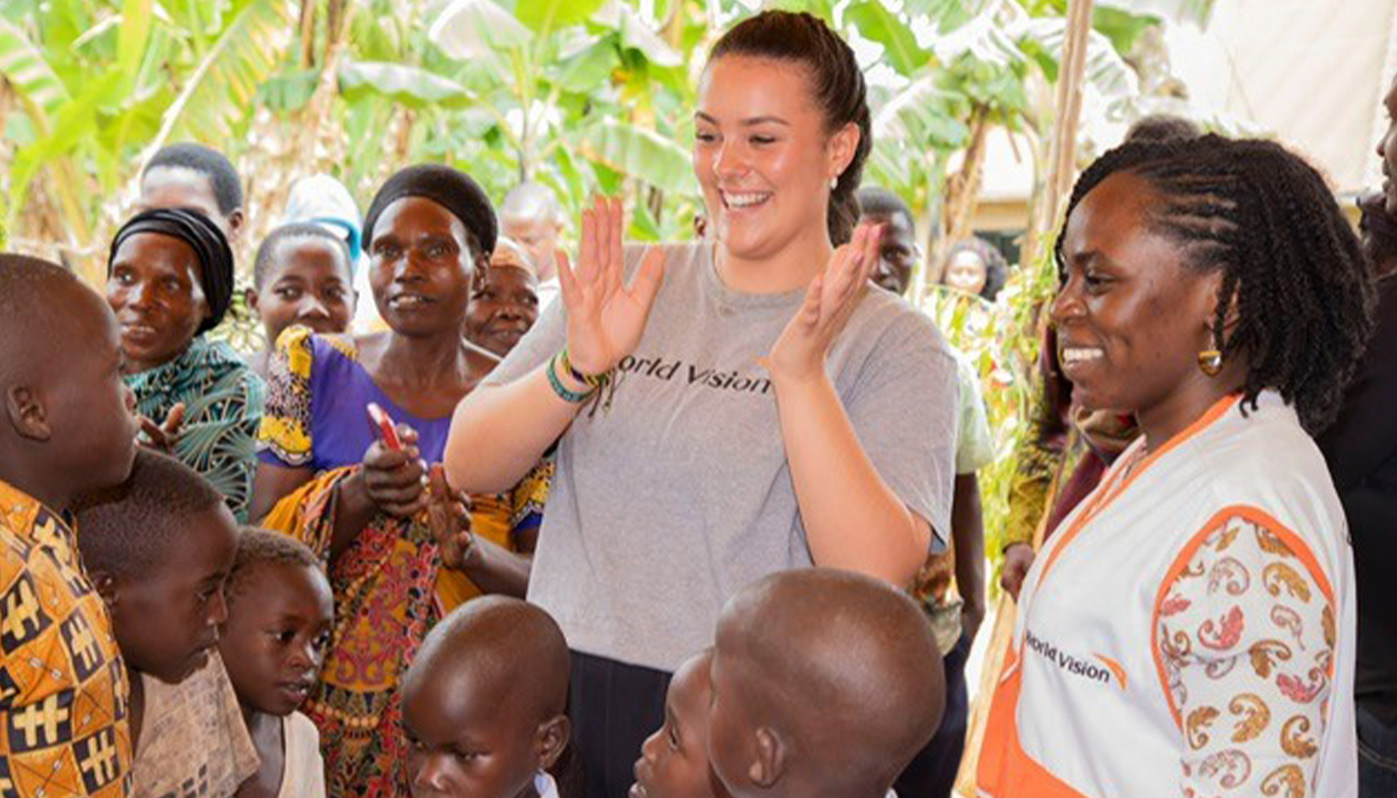
“It’s about helping women build independence,” Lily says. “Seeing them realise what they’re capable of is incredibly powerful.”
It was during this time that Lily also met Avila, an eight-year-old girl she sponsors through World Vision, a moment that would bring everything full circle.
At a rural school in northern Tanzania, surrounded by hundreds of children seated on wooden bleachers, Lily spotted her immediately.
“She just caught my eye and gave me a shy wave,” Lily recalls. “Then they called her forward, and we walked toward each other and just hugged. It felt like something out of a movie.”
Afterwards, Avila stayed close by her side, quietly taking everything in. When it was time to leave to meet Avila’s family, her classmates crowded around the van, waving and calling out as she left to spend the afternoon with Lily.
At Avila’s home, a small, one-room house shared by a large family, Lily was welcomed with extraordinary hospitality, but their words will stay with Lily forever.
“They spoke about how it was incredible to meet their child’s sponsor, someone who had always seemed far away, now standing right there with them.”
In communities where daily life revolves around survival, finding water, securing food, getting through school, hope can feel out of reach. But Lily saw something begin to shift when families told her the difference child sponsorship had made.
“You could feel hope start to breathe,” she says. “They started talking about the future. Avila even told me she dreams of working for World Vision, which was my dream too when I was her age.”
That moment, she says, changed her understanding of what real impact looks like.
“One thing that really struck me is that practical change only happens once hope is restored.”
Throughout her time in Tanzania, Lily witnessed both the challenges and the resilience of the communities she spent time in.
She visited a small health centre where a single chair served as the only place for women to give birth. Up to ten women a week were using the chair.
“It was confronting,” she says, “but also incredible to see what’s being done with so little.”
In another village, she watched children undergo monthly malnutrition checks, their weight determining whether they could continue at school or whether they needed treatment, rest, and recovery.
“If a child had lost weight, something had to give,” she explains. “Sometimes that meant stepping back from school to get treatment so they could survive.”
And yet, alongside these realities, she saw the difference that practical, community-led support can make, from nutrition programmes using local food, to education for mothers on caring for newborns.
But what struck her most wasn’t the hardship; it was the joy.
“I remember this little girl I’d only just met grabbing my hand as we walked,” Lily says. “She didn’t ask my name, and we just ran together. There was something so pure about that.”
Despite travelling alone to the other side of the world, Lily says she never felt afraid.
“I’d been preparing for about a year, and it felt like my whole life was leading up to it. I couldn’t wait to go.”
Her family, she laughs, had a few more concerns.
“Mum definitely had a list - what to eat, what to drink, where to go, who to talk to...”
Lily shares she’s already planning her return later this year and admits that coming home was more difficult than leaving. “My heart is still in Tanzania. Once you’ve seen that kind of reality, and then you come back to how easy life is here, it’s hard to reconcile.”
And if there’s one thing she hopes people take from her story, it’s this: “If you have the means to help, even in a small way, just say yes. That one yes can change everything.”
Sponsor a child today.
Lily Hohepa grew up in, a small Waikato town, 20 minutes from Te Aroha, where life was simple, rural, and close-knit and the world beyond that felt distant.
A self-described “farmer at heart,” her childhood was filled with feeding calves, riding quad bikes, and herding cows in gumboots.
“I’d only ever been in one elevator growing up, the one at my local church,” Lily says. “The size of the town I grew up in really shaped what I thought was possible. My world felt very small.”
But even as a young girl sitting in her family home, something bigger was quietly taking root.
Her mum, a youth pastor, would play videos of missionary work in Africa. Lily remembers watching, captivated.
“I used to think, ‘That’s exactly what I want to do one day.’ But it didn’t feel real. It was just a dream without an echo.”
Now, at 20, that dream has become a reality and taken her thousands of kilometres from rural New Zealand to communities in Tanzania, not as a visitor, but as someone deeply committed to improving the lives of the people she meets.
Driven by compassion, curiosity, and a strong sense of purpose, Lily travelled to Tanzania last month on her own, partnering with local organisations, teaching in schools, supporting orphanages, and helping to lead women’s empowerment programmes.
“I’ve always been drawn to Africa,” she says. “There’s such real need, but also so much opportunity, and such strong community.”
In Arusha in Northeast Tanzania, she taught English to young children through songs, stories, and games, helped prepare meals, and even cared for them outside of school hours so their parents could work.
She also worked alongside local women running empowerment initiatives, supporting training in literacy, childcare, and practical skills like tailoring, cooking, and small business.
“It’s about helping women build independence,” Lily says. “Seeing them realise what they’re capable of is incredibly powerful.”
It was during this time that Lily also met Avila, an eight-year-old girl she sponsors through World Vision, a moment that would bring everything full circle.
At a rural school in northern Tanzania, surrounded by hundreds of children seated on wooden bleachers, Lily spotted her immediately.
“She just caught my eye and gave me a shy wave,” Lily recalls. “Then they called her forward, and we walked toward each other and just hugged. It felt like something out of a movie.”
Afterwards, Avila stayed close by her side, quietly taking everything in. When it was time to leave to meet Avila’s family, her classmates crowded around the van, waving and calling out as she left to spend the afternoon with Lily.
At Avila’s home, a small, one-room house shared by a large family, Lily was welcomed with extraordinary hospitality, but their words will stay with Lily forever.
“They spoke about how it was incredible to meet their child’s sponsor, someone who had always seemed far away, now standing right there with them.”
In communities where daily life revolves around survival, finding water, securing food, getting through school, hope can feel out of reach. But Lily saw something begin to shift when families told her the difference child sponsorship had made.
“You could feel hope start to breathe,” she says. “They started talking about the future. Avila even told me she dreams of working for World Vision, which was my dream too when I was her age.”
That moment, she says, changed her understanding of what real impact looks like.
“One thing that really struck me is that practical change only happens once hope is restored.”
Throughout her time in Tanzania, Lily witnessed both the challenges and the resilience of the communities she spent time in.
She visited a small health centre where a single chair served as the only place for women to give birth. Up to ten women a week were using the chair.
“It was confronting,” she says, “but also incredible to see what’s being done with so little.”
In another village, she watched children undergo monthly malnutrition checks, their weight determining whether they could continue at school or whether they needed treatment, rest, and recovery.
“If a child had lost weight, something had to give,” she explains. “Sometimes that meant stepping back from school to get treatment so they could survive.”
And yet, alongside these realities, she saw the difference that practical, community-led support can make, from nutrition programmes using local food, to education for mothers on caring for newborns.
But what struck her most wasn’t the hardship; it was the joy.
“I remember this little girl I’d only just met grabbing my hand as we walked,” Lily says. “She didn’t ask my name, and we just ran together. There was something so pure about that.”
Despite travelling alone to the other side of the world, Lily says she never felt afraid.
“I’d been preparing for about a year, and it felt like my whole life was leading up to it. I couldn’t wait to go.”
Her family, she laughs, had a few more concerns.
“Mum definitely had a list - what to eat, what to drink, where to go, who to talk to...”
Lily shares she’s already planning her return later this year and admits that coming home was more difficult than leaving. “My heart is still in Tanzania. Once you’ve seen that kind of reality, and then you come back to how easy life is here, it’s hard to reconcile.”
And if there’s one thing she hopes people take from her story, it’s this: “If you have the means to help, even in a small way, just say yes. That one yes can change everything.”
Sponsor a child today.